Fat Transfer in Bellevue
Natural Volume, Zero Implants
Fat transfer at Pacific Sound Plastic Surgery offers a natural, implant-free way to add volume, restore lost contours, and refine your shape — using fat that already exists in your own body. Dr. Kristopher Day, a double board-certified, Ivy League-trained plastic and reconstructive surgeon, performs fat grafting with the precision and surgical discipline developed through advanced reconstructive and cosmetic training. Whether your goal is facial rejuvenation, subtle breast enhancement, composite breast augmentation, breast reconstruction, or body contouring, fat transfer gives you results that look and feel completely natural — because the tissue is entirely your own.
Double Board-Certified (ABPS + ABS)
Ivy League Trained
Highly Rated Bellevue Plastic Surgeon
Proudly Serving Bellevue, Seattle, Kirkland, Redmond, Mercer Island, Issaquah, Renton

What Is Fat Transfer?
Fat transfer — also called autologous fat grafting, lipofilling, fat grafting, or reverse liposuction — is a surgical procedure that harvests your own excess fat from one area of the body, purifies it, and precisely injects it where volume, contour, or rejuvenation is desired. Because the tissue is entirely your own, foreign-body rejection is extremely rare and results feel completely natural.
Fat transfer is used in both body and facial applications. Common areas treated at Pacific Sound Plastic Surgery include:
- Face — restoring cheek volume, smoothing under-eye hollows, softening nasolabial folds, and rejuvenating aging facial contours
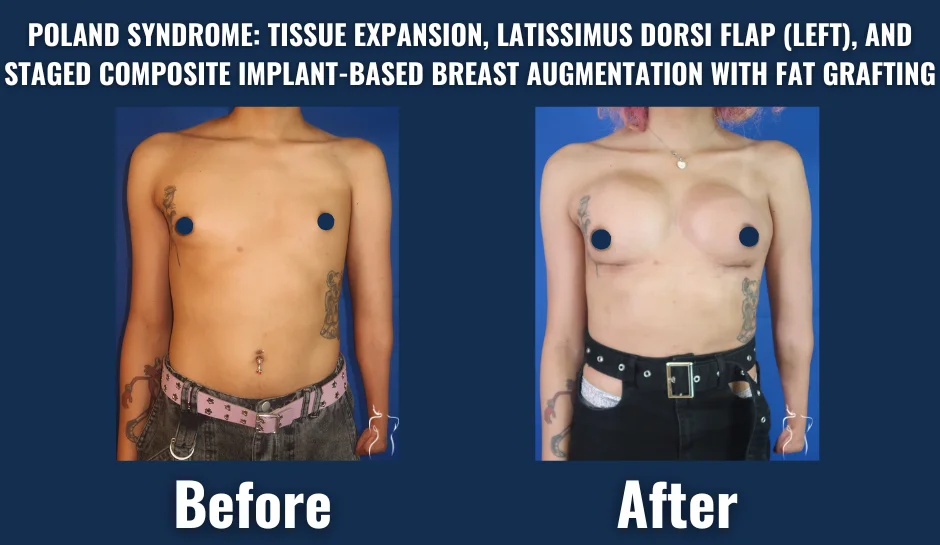
- Breasts — natural breast augmentation of approximately one cup size for patients who prefer to avoid implants; Composite Breast Augmentation combining fat grafting with implants for natural, refined results (especially in revision cases); and breast reconstruction including tissue rejuvenation for patients experiencing radiation effects
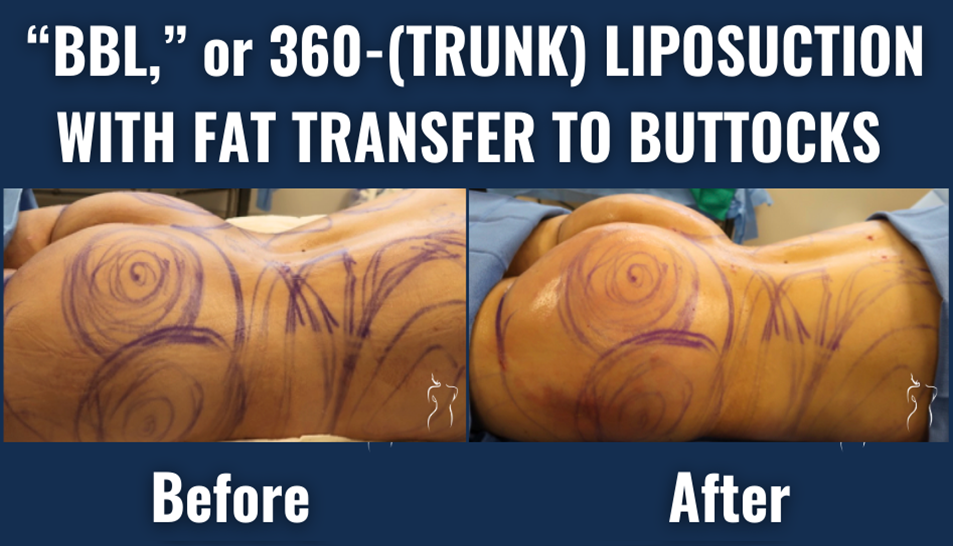
- Buttocks — Brazilian Butt Lift (BBL), transferring fat to create fuller, lifted contours
- Hands — restoring youthful fullness to aging, bony hands
- Body — filling depressed scars, correcting asymmetries, and smoothing contour irregularities after previous procedures
How Does Fat Transfer Work?
The procedure takes place in three coordinated steps during a single surgical session under general or local anesthesia, depending on the volume of fat being transferred:
- Step 1 — Harvest: Liposuction is used to carefully extract fat from a donor area — commonly the abdomen, flanks, thighs, or back. The harvesting technique is gentle and designed to preserve fat cell viability.
- Step 2 — Purification: The harvested fat is processed using centrifugation or filtration to remove blood, oil, and damaged cells. Only the highest-quality fat cells are selected for transfer.
- Step 3 — Injection: Dr. Day injects the purified fat in small, precise aliquots — multiple thin passes rather than a single large deposit — to maximize cell survival and create smooth, natural-looking results.
Fat cell survival — the percentage of transferred fat that ‘takes’ permanently — depends heavily on surgical technique. Injecting fat in precise, small-volume aliquots across multiple anatomical planes, rather than in large deposits, is the method most associated with optimal graft survival and smooth, natural-looking contours. Dr. Day follows current ASPS safety guidelines for all fat transfer procedures, including the use of ultrasound guidance.
Benefits Of a Fat Transfer
Fat transfer offers a set of benefits that neither implants nor injectable fillers can fully replicate:
Natural Results From Your Own Tissue
The transferred material is entirely your own fat, harvested from elsewhere on your body. There are no implants, no synthetic fillers, no foreign materials — just your own tissue repositioned where you want it.
Dual Benefit: Contouring + Enhancement
Fat transfer removes unwanted fat from one area (typically the abdomen, flanks, or thighs) and uses it to enhance another. Patients achieve two goals with a single procedure.
Natural Look and Feel
Because the fat integrates into surrounding tissue, results feel soft and completely natural. This is especially valued for facial rejuvenation and breast augmentation, where implant edges or filler nodules can sometimes be felt.
Long-Lasting Results
Fat that survives the transfer — typically 40–50% of the injected volume — delivers a long-lasting result.
Minimal Donor-Site Scarring
Liposuction harvest sites use tiny access incisions that typically heal to small, discreet marks. The injection sites for fat placement are also micro-incisions.
Versatility
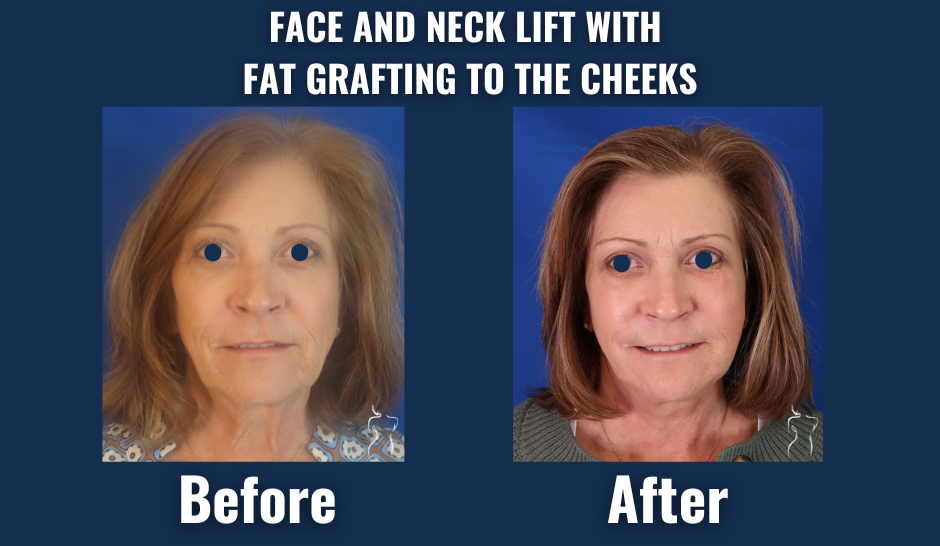
Fat transfer can be combined with facelifts, breast augmentation, tummy tucks, or performed as a standalone procedure. Dr. Day commonly incorporates fat grafting into facelift procedures to restore facial volume alongside tightening.
Adjunct Combination Surgery
Fat transfer is also used as a combined second procedure to enhance and refine the results of a primary surgery. Whether added to a facelift for simultaneous volume restoration, a tummy tuck for scar-area smoothing, or a breast augmentation for natural contouring, fat grafting extends what a single procedure can achieve.
Minimal Risk of Rejection
Because the tissue is autologous (your own body’s fat), immune reactions are extremely rare, capsule formation (a complication associated with breast implants) is not typically seen with fat grafting, and the complications associated with synthetic implants or repeated filler injection are largely avoided.
Am I a Good Candidate for a Fat Transfer?
Ideal candidates for fat transfer are in good overall health, have realistic expectations, and possess sufficient donor fat for the volume they want to achieve. Dr. Day evaluates candidacy at consultation.
- You May Be a Good Candidate If:
- You have areas of unwanted fat (abdomen, flanks, thighs) that can serve as a donor site
- You want natural-looking volume enhancement without implants
- You're seeking subtle facial rejuvenation without a more extensive procedure
- You're interested in modest breast augmentation (approximately 1 cup size) without implants
- Your weight has been stable for at least 6 months
- You are a non-smoker or willing to stop smoking prior to surgery
- You understand that some resorption occurs — a small portion of transferred fat may not survive
- You May Want to Wait If:
- You have very limited donor fat available — not enough for the desired volume increase
- You are planning significant weight loss after surgery (dramatic weight loss reduces results)
- You want large-volume breast augmentation (more than one cup size typically requires implants)
- You have active infections, uncontrolled medical conditions, or are immunocompromised
- You are pregnant or nursing
- You have unrealistic expectations about the degree of augmentation achievable
- You are a heavy smoker unwilling to quit — smoking significantly impairs fat graft survival
Not Sure If You're a Candidate?
Schedule a consultation with Dr. Day to discuss your goals and options.
Your Transfer Journey
Consultation
Dr. Day conducts a thorough consultation to understand your goals, assess your donor fat availability, and recommend the best treatment areas. He will discuss realistic expectations for volume, the percentage of fat that typically survives, and whether fat transfer alone or in combination with another procedure best serves your goals.
Pre-Surgery Preparation
Before surgery you will receive individualized pre-operative instructions. You will be given specific guidance on any medications or supplements to stop before surgery — this may include blood thinners, hormonal medications, GLP-1 medications, alcohol, nicotine, and certain vitamins or supplements. Stopping smoking at least four weeks prior to surgery is strongly encouraged to support healing and fat graft survival.
The Surgical Process
Fat transfer is performed under general or local anesthesia depending on the extent of the procedure. A combined facial fat transfer, for example, may be performed under local with sedation. A combined BBL or multi-area transfer is typically performed under general anesthesia.
- Harvest: Liposuction extracts fat from the donor site through tiny incisions. Dr. Day uses a gentle, low-pressure technique to preserve fat cell integrity.
- Processing: The fat is centrifuged to separate high-quality fat cells from fluid and debris.
- Injection: Fat is injected in micro-droplets across multiple anatomical planes. Precise placement improves graft survival and ensures a smooth, natural contour.
- Total surgical time typically ranges from 1–3 hours depending on the volume and number of areas treated.
Recovery Timeline
Days 1–3
What to Expect
Low-grade activity like walking is encouraged starting the day after surgery to promote circulation. The rule for the first two weeks is: no grimace, grunt, strain, or sweat.
Days 4–7
What to Expect
Most patients return to desk work and remote work by the end of the first week. Frequent low-intensity walking continues to support circulation and healing. The “no grimace, grunt, strain, or sweat” rule remains in effect.
Weeks 1–2
What to Expect
Bruising fades significantly. Visible improvements begin to emerge as swelling continues to resolve.
Weeks 2–4
What to Expect
Light exercise resumes. Begin at approximately 50% of your pre-operative baseline and increase exertion by approximately 5% per day, as tolerated. Most patients reach full unrestricted activity — including high-impact exercise — by Weeks 4–6. Dr. Day clears each patient individually based on progress.
Months 3–6
What to Expect
Final results become visible as the surviving fat fully integrates. Any initial overfill placed to account for expected resorption settles into your permanent result.
Fat Transfer: A Versatile Tool Across Procedures
Fat transfer is not a single procedure — it is a surgical technique applied across many of the most in-demand cosmetic and reconstructive surgeries. Here is how Dr. Day uses it.
Brazilian Butt Lift (BBL) uses fat transfer as its primary method — fat is harvested from the abdomen, flanks, or thighs and injected into the buttocks to create shape and projection. Composite Breast Augmentation pairs fat grafting with implants for a softer, more natural result, particularly valuable in revision cases. Facelift patients frequently receive fat transfer in the same session to restore the volume that surgical tightening alone cannot address. And in breast reconstruction, fat grafting is used to rejuvenate tissue affected by radiation. Each application follows the same core technique: gentle harvest, precise purification, and careful multi-plane injection for optimal survival.
What Results Can I Expect from a Fat Transfer?
Immediate Post-Procedure
Immediately following fat transfer, you will see swelling and some overcorrection — Dr. Day typically overfills slightly to account for expected resorption as a portion of transferred fat is absorbed by the body in the first several weeks. This is a normal and expected part of the healing process.
Short-Term (Weeks 2–8)
As swelling resolves, your results begin to take shape. Bruising clears. Contours soften. You will begin to see the natural volume and improvement that has been achieved, though full results are not yet visible.
Long-Term Results
By three to six months, the surviving fat has fully integrated. Results are long-lasting when you maintain a stable, healthy weight. Because the transferred fat behaves like the surrounding tissue — shrinking and expanding with weight changes — significant weight fluctuation will affect your outcome.
For facial fat transfer, the rejuvenation is particularly durable: cheekbones regain projection, under-eye hollows fill softly, and the overall face appears fresher and more youthful without the telltale signs of surgical tightening.
"Dr. Day helped me with a seroma drainage. I had fluid built up in my stomach after flying to Miami to have a BBL done. After the chaos that I have gone through I would highly recommend to stay in Bellevue and see Dr. Day for liposuction or BBL. You will not save any money after travel/hotel and definitely not if you have complications. Dr. Day is responsive and very knowledgeable. I will definitely be using him for my future surgeries."
— Roberta L., BBL Patient • Google Review
Fat Transfer Cost in Bellevue
Fat transfer cost varies based on several factors unique to your procedure:
- The number of treatment areas (face, breasts, buttocks, body)
- The volume of fat to be transferred
- Whether fat transfer is performed as a standalone procedure or combined with another surgery (facelift, breast augmentation, tummy tuck)
- Anesthesia type and surgical facility fees
- Pre- and post-operative care requirements
What’s Included in Your Fat Transfer Investment
Your surgical fee covers all of the following at Pacific Sound Plastic Surgery:
- Surgeon's fee
- Facility / operating room fee
- Anesthesia (administered by a board-certified anesthesiologist or certified registered nurse anesthetist)
- Enhanced Recovery After Surgery medication (Exparel)
- Cosmetic surgery insurance coverage (Cosmetasure)
- High-end compression garment (Isavella)
- High-end scar ointment (Biocorneum)
- Swelling and bruising ointment (Arnica)
- Clara Recovery Supplements
- Chlorhexidine Anti-Septic Scrub Cloths
- Post-operative recovery and follow-up care
Financing Options
Pacific Sound Plastic Surgery accepts CareCredit (6-month financing) and Alphaeon Credit, two of the most widely used healthcare financing programs. Both allow patients to begin their journey without paying the full cost upfront.
Pricing is discussed in full detail during your consultation, so there are no surprises. Call (425) 818-8991 to get started.
Why Choose Dr. Kristopher Day for Your Fat Transfer?
Dr. Day is a double board-certified, Ivy League-trained plastic and reconstructive surgeon with more than 10 years of dedicated surgical experience. His training spans complex reconstructive and cosmetic procedures, and his approach to fat transfer reflects the same discipline applied to every procedure: methodical fat harvest, careful purification, and precise multi-plane injection to maximize graft survival and natural-looking outcomes.
Double Board-Certified
Dr. Day is certified by both the American Board of Plastic Surgery (ABPS) and the American Board of Surgery (ABS) — a dual certification that reflects the breadth and rigor of his training.
30+ Peer-Reviewed Publications
With over 30 published studies, Dr. Day brings an evidence-based, research-informed approach to every procedure he performs.
Highly Rated by Patients
Pacific Sound Plastic Surgery is one of the highest-rated plastic surgery practices in Bellevue, with consistent praise for Dr. Day’s thoroughness, surgical skill, and attentive post-operative care.
Boutique Practice — Personalized, Direct Care
As a boutique practice, every patient works directly with Dr. Day from consultation through surgery and recovery. There are no hand-offs, no associate surgeons, no volume-driven shortcuts.
Surgical Facilities
Swedish Medical Center · Carillon Point Surgery Center · Virginia Mason Franciscan Health · Sound Plastic Surgical Center


Conveniently Located for Eastside Families
Pacific Sound Plastic Surgery is centrally located in downtown Bellevue, making Dr. Day’s fellowship-trained expertise accessible to families throughout Bellevue and the greater Eastside — without the stress of navigating Seattle traffic. Our patients enjoy a private, boutique surgical experience with on-site validated parking, just minutes from the communities they call home.
Seattle
~15 minutes
World-class plastic surgery results without the downtown Seattle parking hassle. A quick drive across SR-520 or I-90 to our private Bellevue office.
Kirkland
~10 minutes
Just minutes from downtown Kirkland and the Juanita waterfront via I-405 or surface streets.
Redmond
~10 minutes
Convenient for the Redmond tech community via SR-520 or surface streets.
Mercer Island
~10 minutes
A quick drive across I-90. Our discreet, private environment is ideal for discerning Mercer Island residents.
Issaquah
~10 minutes
Convenient for Issaquah Highlands and Gilman Village area families via I-90.
Renton
~5 minutes
Easy access from Renton and the Landing via I-405 North. Boutique care and personalized attention just minutes away.
Frequently Asked Questions
What is fat transfer, and how is it different from dermal fillers?
Fat transfer — sometimes called reverse liposuction — uses your own living fat cells — harvested by liposuction — rather than a synthetic injectable product. Unlike fillers, which eventually break down and require repeat treatments, transferred fat that survives the initial healing period provides a long-lasting result. The tissue integrates into your body and behaves like your surrounding fat.
Am I a good candidate for fat transfer if I am thin?
This depends on how much volume you want to add. Facial fat transfer can often be performed with a relatively modest harvest — many patients have enough donor fat in the flanks, thighs, or abdomen even if they consider themselves slim. For larger-volume transfers (such as BBL), more donor fat is required. Dr. Day will assess this at consultation.
How much fat typically survives after transfer?
Fat graft survival varies between patients and by injection site, but a well-performed fat transfer typically results in 40–50% long-term survival of transferred fat. Dr. Day accounts for expected resorption by slightly overfilling at the time of surgery, so your final result reflects the natural settling process.
How long do fat transfer results last?
Fat that successfully integrates is long-lasting. The transferred fat behaves exactly like your body’s natural fat, meaning if you gain or lose significant weight after surgery, it will affect your result proportionally.
Can fat transfer be combined with other procedures?
Yes. Fat transfer is frequently combined with facelifts (to restore facial volume alongside tightening), breast augmentation, tummy tucks, and body contouring procedures. Combining fat transfer with a facelift is one of the most powerful tools in facial rejuvenation, addressing both laxity and volume loss in a single surgery.
What areas of the face can be treated with fat transfer?
Common facial fat transfer areas include the cheeks (for midface projection), under-eye hollows (tear troughs), nasolabial folds, temples, jawline, and lips. The specific areas treated depend on your anatomy and rejuvenation goals, which are assessed at consultation.
How much can fat transfer increase breast size?
Fat transfer breast augmentation typically achieves approximately one cup size increase. For patients who want subtle, natural enhancement and prefer to avoid implants, this is often an ideal solution. Patients wanting larger increases are typically better served by implants, or a combination of fat transfer and implants.
What is recovery like after fat transfer?
Recovery depends on the procedure scope. Most patients return to light activity within 1–3 days. Swelling and bruising at both the donor and recipient sites are expected and typically resolve over 1–2 weeks. Final results are visible at 3–6 months. Dr. Day provides complete post-operative instructions and is available for any post-operative emergencies.
How much does fat transfer cost in Bellevue?
Fat transfer cost is highly individualized based on the number of areas treated, the volume transferred, and whether it is performed as a standalone procedure or combined with other surgery. Pricing is discussed in detail during your consultation. Financing is available through CareCredit and Alphaeon Credit.
Is fat transfer safe?
Fat transfer is a well-established surgical technique with an excellent safety record when performed by a board-certified plastic surgeon in an accredited facility. The most significant safety consideration is fat embolism risk in buttock fat transfer (BBL) — a complication most often associated with non-board-certified and international surgical settings. Dr. Day follows current ASPS safety guidelines for all fat transfer procedures, including the use of ultrasound guidance to minimize this risk.
How do I schedule a fat transfer consultation at Pacific Sound Plastic Surgery?
Call (425) 818-8991 or use the online scheduling link on our website to request a consultation. Dr. Day will review your goals, assess your anatomy, and provide a customized recommendation. The office is located at 1260 116th Avenue NE, Suite 100, Bellevue, WA 98004.
Schedule Your Fat Transfer Consultation
You deserve to feel confident in your body again. Dr. Day and the Pacific Sound team create personalized transformation plans tailored to your unique goals.