Jaw Reduction Surgery in Bellevue
Refined Contours, Natural Results
Jaw reduction surgery at Pacific Sound Plastic Surgery reshapes a wide, prominent, or overly square jawline into softer, more balanced proportions — whether your goal is aesthetic facial harmony or part of a comprehensive facial feminization plan. Dr. Kristopher Day is double board-certified and Ivy League trained, with a craniofacial fellowship that provides the advanced bone-sculpting expertise this procedure demands. Every surgical plan is built around your unique facial anatomy, goals, and long-term results.
Double Board-Certified (ABPS + ABS)
Ivy League Trained
Highly Rated Bellevue Plastic Surgeon
Proudly Serving Bellevue, Seattle, Kirkland, Redmond, Mercer Island, Issaquah, Renton

What Is Jaw Reduction Surgery?
Jaw reduction surgery — formally known as mandibular angle reduction or mandibuloplasty — is a surgical procedure that reshapes the lower jawbone to reduce width, soften angularity, or create a more tapered, oval facial outline. The mandibular angle, the bony prominence at the rear corner of the jaw, is primarily what gives the face a wide or square appearance. By surgically contouring this bone, Dr. Day can dramatically change the overall shape of the lower face.
Unlike non-surgical treatments such as Botox masseter injections — which slim the muscle temporarily — jaw reduction surgery directly addresses the underlying bone structure for long-lasting, structural results. It is a transformative procedure for patients who carry genetically prominent jaw angles, for those seeking a softer facial profile, and for transgender women and non-binary individuals undergoing facial feminization surgery (FFS).
What Can Jaw Reduction Surgery Address?
- A wide, square, or boxy jawline caused by prominent mandibular angles
- Jaw asymmetry or imbalance between the two sides
- Overly masculine lower facial contour in FFS patients
- Disproportionate lower face width relative to forehead or cheekbones
- Lack of overall facial femininity or softness
The Difference Between Jaw Reduction and Chin Surgery
Jaw reduction targets the mandibular angles at the back and sides of the jaw. Chin surgery (genioplasty) addresses the chin — projection, height, and width. Many patients benefit from combining both procedures. Dr. Day frequently combines jaw reduction with chin contouring, rhinoplasty, and other FFS components to achieve complete lower face transformation in a single surgical plan.
Benefits of a Jaw Reduction Surgery
Jaw reduction surgery delivers results that no injectable or non-surgical treatment can match — because it works at the structural level of the face, not the surface
Benefit | What This Means for You |
|---|---|
Long-lasting structural change | Unlike masseter Botox, bone contouring is designed to be long-lasting |
Softer, more oval face shape | Reduces wide or boxy appearance; creates tapered feminine profile |
Natural-looking results | Concealed intraoral incisions — placed inside the mouth, not on the face or jawline |
Improved facial harmony | Balances the jaw with cheekbones, forehead, and nose |
Combinable with other procedures | Often performed alongside chin surgery, rhinoplasty, or full FFS for comprehensive results |
High patient satisfaction | Facial shape is one of the most significant drivers of gender presentation and self-confidence |
"I don't even really have the words to describe what Dr. Day has done for me. Transformed me into the person I want to be is really the best description. It was like he took the idea out of my head and just made it happen."
— AJ B., FFS Patient • Google Review
Am I a Good Candidate for a Jaw Reduction Surgery?
Jaw reduction surgery is appropriate for both aesthetic and gender-affirming patients who are bothered by the width, shape, or masculinity of their lower jawline. The best candidates are in good overall health with realistic expectations for a softer, more proportionate face.
- You May Be a Good Candidate If:
- You have a wide, square, or overly prominent mandibular angle
- Your jawline bothers you in photos or mirrors
- You are seeking facial feminization surgery (FFS) and jaw contouring is part of your goals
- You are a non-smoker (or willing to stop smoking pre/post-op)
- You are at a stable weight and in good general health
- When to Consider Waiting
- You are under the minimum age for elective surgery (18 for aesthetic jaw reduction; 19 for jaw reduction performed as part of a gender-affirming plan)
- You have active TMJ symptoms that should be evaluated before elective surgery
- You have significant medical conditions that increase surgical risk
- You have unrealistic expectations about what bone contouring can achieve
- You have not yet tried non-surgical alternatives appropriate to your goals (e.g., masseter Botox for mild cases)
Not Sure If You're a Candidate?
Schedule a consultation with Dr. Day to discuss your goals and options.
Your Jaw Reduction Surgery Journey
Step 1 — Your Consultation
Dr. Day conducts in-person consultations only. During your visit, he will assess your facial bone structure by feel and visual examination, discuss your aesthetic or gender-affirming goals, and develop a surgical plan tailored to your anatomy. CT imaging may be ordered to plan the exact extent of bone contouring required. For FFS patients, Dr. Day can coordinate jaw reduction alongside other facial procedures in a single surgery.
Step 2 — Surgical Procedure
Jaw reduction surgery is performed under general anesthesia and typically takes 1.5 to 3 hours depending on the extent of contouring and whether it is combined with additional procedures.All incisions are made intraorally — inside the mouth — so they are concealed within the oral cavity and do not produce external scarring on the face or jawline.
Dr. Day uses surgical burrs, saws, and chisels to carefully reduce and reshape the mandibular angles, ensuring a smooth, symmetric result. Titanium plates and screws are generally used for stable fixation.
"Dr. Day performed two surgeries for me. Surgery can be scary, but both times he made sure to explain the procedure, the expected recovery, answer all questions, and put my mind at ease."
— Garrett S., Surgical Patient • Google Review
Step 3 — Recovery Timeline
Day 1-3
What to Expect
Swelling, jaw tightness, and mild discomfort. Full liquid diet. Low-grade activity including short walks is encouraged starting Day 1. Head elevation helps reduce swelling. Avoid grimace, grunt, strain, or sweat-inducing activities.
Week 1
What to Expect
Significant swelling peaks around Day 3–5. Pain is managed with oral medication. Sedentary and desk work resumes in Week 1. Avoid grimace, grunt, strain, or sweat-inducing activities. Liquid or soft diet continues.
Weeks 2-3
What to Expect
Most visible swelling subsides. Resume light exertional activities at 50% of pre-operative baseline and increase gradually. Light social activities and dining out resume. Return to a regular diet as tolerated.
Month 1–3
What to Expect
Progressive softening of the jaw contour. Gradual return to full diet. Results continue to refine.
Months 3–6
What to Expect
Final bone healing completes. Full results visible. For FFS patients combined with other procedures, this timeline may extend to 6–12 months.
Why Craniofacial Training Matters for Jaw Surgery
Jaw reduction surgery is not a surface-level procedure. It involves reshaping living bone — the mandibular cortex, the inferior border, and the posterior angle — with tools that demand a precise understanding of facial anatomy at every depth. A miscalculation in bone reduction can result in asymmetry, nerve injury, or an unnatural appearance that is extremely difficult to revise.
Dr. Day completed his craniofacial fellowship training at the University of Texas Austin — one of the country’s leading pediatric craniofacial programs — where he trained extensively in the surgical manipulation of facial skeletal structures. This includes craniofacial reconstruction, orthognathic surgery, and advanced facial bone contouring. While most plastic surgeons learn jaw anatomy in residency, Dr. Day lived it through a dedicated fellowship.
Skill Area | Clinical Relevance for Jaw Reduction |
|---|---|
Advanced facial skeletal anatomy | Precise identification of the inferior alveolar nerve during bone removal |
Orthognathic surgical technique | Safe cutting, contouring, and smoothing of mandibular bone |
Bilateral symmetry planning | Equal reduction on both sides for a natural, balanced result |
Pediatric craniofacial reconstruction | Experience with complex facial anatomy under demanding conditions |
30+ peer-reviewed publications | Thought leadership in facial reconstructive and aesthetic surgery |
For FFS patients in particular, jaw reduction is among the most structurally significant procedures in a feminization plan. The mandible is the defining feature of a masculine lower face. Dr. Day’s fellowship training ensures this transformation is executed with precision that protects both function and aesthetics.
What Results Can I Expect from a Jaw Reduction Surgery?
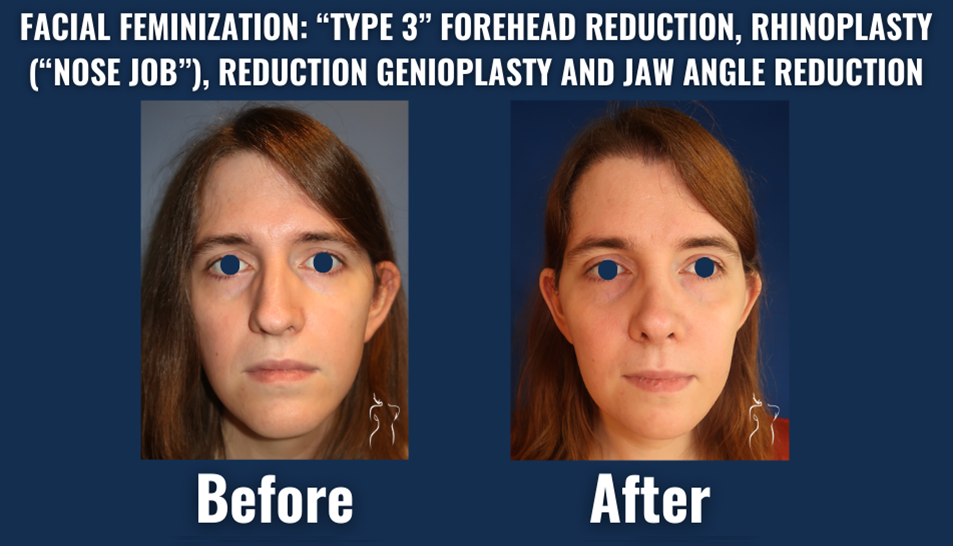
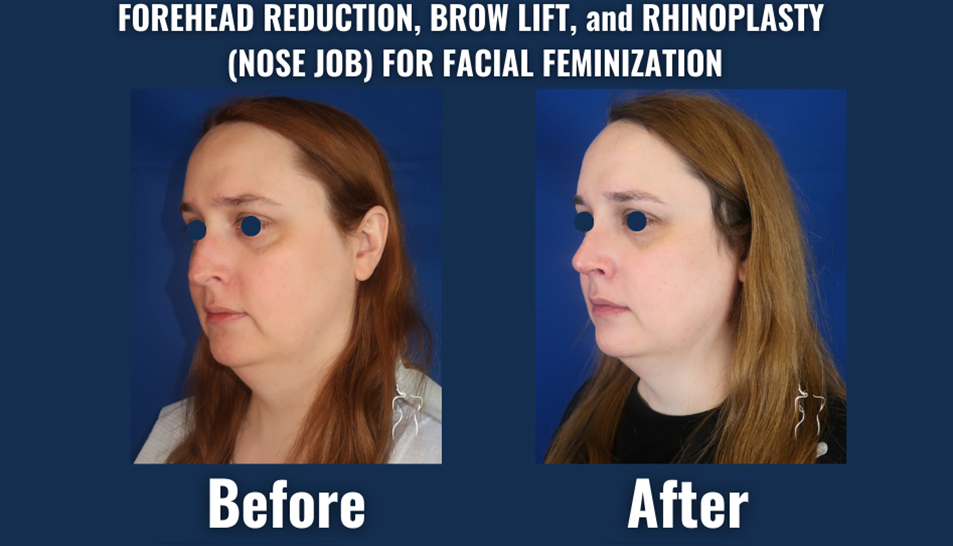
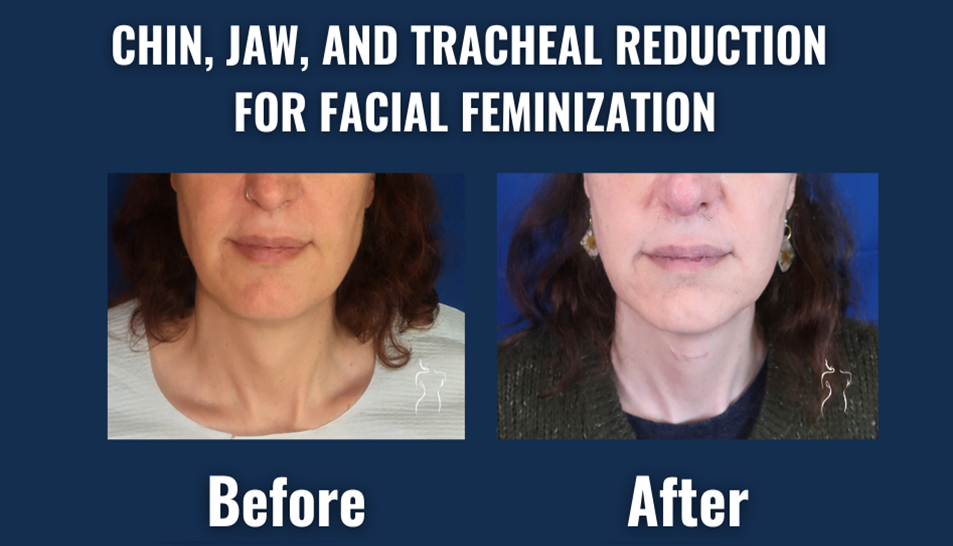
Jaw reduction surgery produces long-lasting structural changes to the lower face. Once fully healed (typically 3–6 months), patients experience a softer, more tapered jaw profile that photographs naturally and reads harmoniously with the rest of the face.
Realistic Expectations
- Reduction in jaw width and angular prominence
- Softer, more oval or heart-shaped facial outline when viewed from the front
- Concealed intraoral incisions — placed inside the mouth, not on the face
- Natural, balanced appearance — not ‘done’ or altered-looking
- Improved facial femininity for FFS patients
- Results are long-lasting; bone does not regrow
"I went to Dr. Day's office for facial feminization surgery, and I don't think I could be happier with the results! During our initial consult, he took the time to understand my wants, but also helped me understand some of the anatomical differences between 'male' and 'female' faces and some of the surgical options we had for addressing my face. I would highly recommend Dr. Day, especially to any of my trans sisters who may be having a hard time finding someone covered by insurance in a reasonable timeframe."
— Michelle D., Facial Feminization Surgery Patient • Google Review
Jaw Reduction Surgery Cost in Bellevue
Jaw reduction surgery at Pacific Sound Plastic Surgery is priced based on the complexity of bone contouring required, whether it is performed as a standalone procedure or combined with other facial surgery, anesthesia fees, and surgical facility costs.
This figure represents surgeon fee estimates for a standalone jaw reduction procedure. Total cost including anesthesia and facility fees will vary. Combination procedures (e.g., jaw reduction + chin surgery + rhinoplasty) are typically more cost-effective when performed simultaneously, as anesthesia and facility time is shared.
Insurance Coverage
Jaw reduction surgery performed purely for aesthetic purposes is not covered by insurance. For transgender patients undergoing jaw surgery as part of a medically necessary facial feminization plan, some insurance carriers may provide coverage. Dr. Day’s team has experience navigating insurance pre-authorization and can assist qualified patients with this process.
What’s Included in Your Jaw Reduction Surgery Investment
Your surgical fee covers all of the following at Pacific Sound Plastic Surgery:
- Surgeon's fee
- Facility / operating room fee
- Anesthesia (administered by a board-certified anesthesiologist or certified registered nurse anesthetist)
- Enhanced Recovery After Surgery medication (Exparel)
- Cosmetic surgery insurance coverage (Cosmetasure)
- High-end compression garment (Isavella)
- High-end scar ointment (Biocorneum)
- Swelling and bruising ointment (Arnica)
- Clara Recovery Supplements
- Chlorhexidine Anti-Septic Scrub Cloths
- Post-operative recovery and follow-up care
Financing Options
Pacific Sound Plastic Surgery accepts CareCredit (6-month financing) and Alphaeon Credit, two of the most widely used healthcare financing programs. Both allow patients to begin their journey without paying the full cost upfront.
Jaw Reduction Surgery at Pacific Sound Plastic Surgery
Starting from $8,500
Final cost determined at consultation. Financing available through CareCredit and Alphaeon Credit.
Call (425) 818-8991 to schedule your consultation.
Why Choose Dr. Kristopher Day for Your Jaw Reduction Surgery?
Jaw reduction surgery requires a surgeon who understands facial bone anatomy at an advanced level — not just general plastic surgery technique. Dr. Kristopher Day brings credentials to jaw surgery that are rare among plastic surgeons practicing in the Pacific Northwest.
Credential / Advantage | Why It Matters for Jaw Reduction Surgery |
|---|---|
Craniofacial Fellowship (University of Texas) | Advanced training in facial bone surgery — the direct skill set required for mandibular contouring |
Double Board-Certified (ABPS + ABS) | The highest credentialing standard for surgeons performing elective facial procedures |
30+ Peer-Reviewed Publications | Published research in craniofacial and reconstructive surgery reflects deep academic expertise |
Consistently High Patient Ratings | One of the highest-rated plastic surgeons in Bellevue — consistent patient trust across procedures |
Surgical Affiliations | Surgical Facilities | Swedish Medical Center, Virginia Mason Franciscan Health, Carillon Point Surgery Center, Sound Plastic Surgery Center |
Gender-Affirming Experience | WPATH-aligned practice with extensive experience performing jaw reduction as part of FFS — including insurance navigation |








Conveniently Located for Bellevue and the Greater Eastside
Pacific Sound Plastic Surgery is centrally located in downtown Bellevue, making Dr. Day’s fellowship-trained expertise accessible to families throughout Bellevue and the greater Eastside — without the stress of navigating Seattle traffic. Our patients enjoy a private, boutique surgical experience with on-site validated parking, just minutes from the communities they call home.
Seattle
~15 minutes
World-class plastic surgery results without the downtown Seattle parking hassle. A quick drive across SR-520 or I-90 to our private Bellevue office.
Kirkland
~10 minutes
Just minutes from downtown Kirkland and the Juanita waterfront via I-405 or surface streets.
Redmond
~10 minutes
Convenient for the Redmond tech community via SR-520 or surface streets.
Mercer Island
~10 minutes
A quick drive across I-90. Our discreet, private environment is ideal for discerning Mercer Island residents.
Issaquah
~10 minutes
Convenient for Issaquah Highlands and Gilman Village area families via I-90.
Renton
~5 minutes
Easy access from Renton and the Landing via I-405 North. Boutique care and personalized attention just minutes away.
Frequently Asked Questions
What is the difference between jaw reduction and chin surgery?
| Jaw reduction targets the mandibular angles — the wide bony corners at the back and sides of the jaw — to reduce overall jaw width. Chin surgery (genioplasty) addresses the projection, height, or width of the chin. Both procedures affect lower face shape, but from different points. |
Will there be visible scars from jaw reduction surgery?
Incisions for jaw reduction are placed inside the mouth along the inner gum line, where they are concealed within the oral cavity. Because the technique is fully intraoral, there are no external incisions on the face, neck, or jawline. This is one of the significant advantages of the intraoral approach.
How long is recovery from jaw reduction surgery?
Most patients return to sedentary desk work within the first week. Significant swelling typically peaks at days 3–5 and gradually subsides over 4–8 weeks. Light exertional activity resumes at weeks 2–4. Final results, including full bone healing, are typically visible by 3–6 months. For patients combining jaw reduction with additional procedures, the full healing timeline may be longer.
Can jaw reduction be combined with other facial procedures?
Yes, it is very common. Jaw reduction is frequently performed alongside other procedures like chin surgery (genioplasty), rhinoplasty, brow bone reduction, or a full facial feminization surgery (FFS) plan. Combining procedures is often more cost-effective and involves a single recovery period.
How is Dr. Day's approach to jaw reduction different from other surgeons?
Dr. Day’s craniofacial fellowship training provides a level of facial bone expertise that is not standard in plastic surgery residency. Most plastic surgeons are trained in soft tissue procedures; Dr. Day is trained in the skeletal architecture of the face. This is directly relevant to jaw reduction, which involves precise bone removal and contouring under the constraint of protecting critical nerve branches.
How do I know if I need jaw reduction, masseter Botox, or both?
Masseter Botox slims the lower face by reducing the masseter muscle bulk — appropriate for patients whose wide jaw is primarily muscular in origin. Jaw reduction surgery addresses the underlying bone structure. Some patients benefit from both if they have both a prominent bone angle and developed masseter muscles. Dr. Day will evaluate your anatomy during a consultation and recommend the appropriate approach.
What are the risks of jaw reduction surgery?
As with all surgical procedures, risks include swelling, bruising, infection, and asymmetry. The most specific risk of jaw reduction is temporary or permanent nerve injury — causing either numbness or paralysis of facial movement — as a consequence of working near branches of the facial and inferior alveolar nerves. Dr. Day’s craniofacial training provides specialized anatomical awareness that minimizes this risk.
How soon will I see results after jaw reduction surgery?
Visible improvement is typically noticeable once major swelling subsides at 3–4 weeks, though the jaw will still feel swollen and firm. The jaw contour continues to soften and refine over 3–6 months as bone healing completes. Final results are permanent.
Do I need a mental health letter for jaw reduction surgery?
For aesthetic jaw reduction (non-FFS), no mental health evaluation is required. For patients pursuing jaw reduction as part of a gender-affirming plan, WPATH standards of care may require a letter from a licensed mental health professional confirming a diagnosis of gender dysphoria. Dr. Day’s team can provide guidance on this process.
How do I schedule a consultation with Dr. Day?
Call Pacific Sound Plastic Surgery at (425) 818-8991 or use the Schedule Your Consultation button on this page. Dr. Day conducts in-person consultations only at 1260 116th Ave NE, Suite 100, Bellevue, WA 98004. Serving patients from Seattle, Kirkland, Redmond, Mercer Island, Issaquah, and Renton.