Facial Masculinization Surgery in Bellevue
Craniofacial Expertise for Masculine Jaw, Brow, and Chin Definition
Facial masculinization surgery (FMS) is a collection of carefully coordinated facial procedures designed to enhance traditionally masculine features — strengthening the jaw, brow, and chin while creating greater angular definition throughout the face. At Pacific Sound Plastic Surgery in Bellevue, Dr. Kristopher M. Day brings something no other local surgeon can offer: a dedicated craniofacial fellowship and Ivy League training, giving him deep expertise in facial bone structure and the precision anatomy that FMS demands.
Double Board-Certified (ABPS + ABS)
Ivy League Trained
Highly Rated Bellevue Plastic Surgeon
Proudly Serving Bellevue, Seattle, Kirkland, Redmond, Mercer Island, Issaquah, Renton
What Is Facial Masculinization Surgery (FMS)?
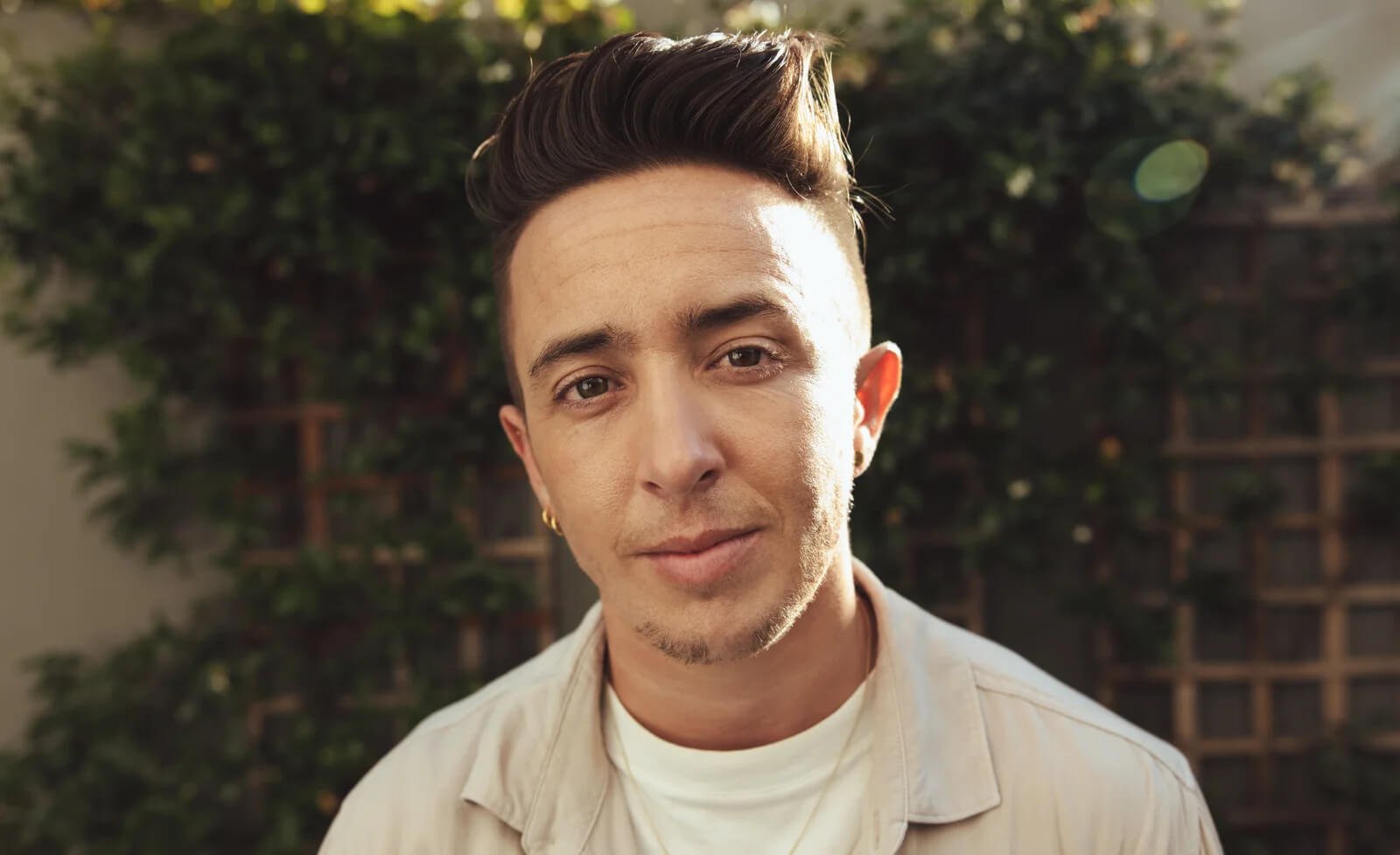
Facial masculinization surgery (FMS) is a customized set of surgical procedures that reshapes and enhances the structural features of the face to create a more traditionally masculine appearance. Unlike non-surgical options, FMS works at the level of bone, cartilage, and soft tissue — producing long-lasting, natural-looking changes that reflect each patient’s individual masculine identity.
For transgender men and non-binary individuals with masculine gender expressions, FMS can be a powerful step toward alignment between how a person is perceived externally and how they experience themselves internally. FMS is also performed for cisgender men seeking greater facial definition, stronger jawline contour, or improved facial symmetry.
What distinguishes FMS at Pacific Sound Plastic Surgery is Dr. Day’s craniofacial fellowship — advanced training focused specifically on the bones, cartilage, and structural anatomy of the face. Very few surgeons in the Pacific Northwest hold this level of training, and none in Bellevue.
Component Procedure Cards
The following procedures can be performed individually or in coordinated combination. During your consultation, Dr. Day will create a customized FMS plan based on your anatomy, goals, and priorities.
Type | Description |
|---|---|
Jaw Augmentation & Contouring | Enlarges or reshapes the jaw to create a stronger, wider mandibular angle — one of the most defining features of a masculine face. |
Chin Augmentation (Implant) | Places a shaped silicone implant to add forward — and sometimes downward — projection and contour to the chin. Adds prominence; it does not reduce or reshape the chin in other directions. |
Genioplasty (Sliding Chin Surgery) | Repositions the bone of the chin to alter its position in virtually any direction and combination — forward, backward, longer, shorter, or side-to-side. Offers structural reshaping that an implant cannot. |
Brow Bone Augmentation / Forehead Contouring | Builds out the supraorbital ridge (brow ridge) and reshapes the forehead to achieve a more angular, masculine brow appearance. |
Rhinoplasty (Nose Masculinization) | Reshapes the nasal tip, bridge, and projection to complement masculine facial proportions. Dr. Day’s craniofacial fellowship is particularly relevant here — rhinoplasty for FMS involves complex bone and cartilage work. |
What Exercise and Hormones Cannot Fully Change
Testosterone therapy can masculinize many features — body fat distribution, skin texture, facial hair — but it cannot directly alter bone structure, cartilage architecture, or features determined by skeletal anatomy. FMS addresses the structural foundation of the face: the brow ridge, jaw, chin, and nose. For patients seeking a specific masculine facial profile that hormone therapy alone cannot achieve, surgery provides enduring, targeted results.
WHY PATIENTS CHOOSE FACIAL MASCULINIZATION AT PACIFIC SOUND
For many patients, the decision to pursue facial masculinization surgery is one of the most meaningful they’ll make. The benefits extend well beyond aesthetics.
Structural, lasting results
FMS reshapes the architecture of the face for lasting, often lifelong results — not reliant on ongoing treatments or hormones.
Natural-looking masculinization
Individualized to your existing anatomy, not a standardized result.
Reduced gender dysphoria
For trans men and non-binary patients, FMS can significantly improve daily comfort and sense of self.
Single-surgeon continuity
Dr. Day coordinates all components of your FMS plan, eliminating referral fragmentation
Craniofacial expertise
Dr. Day is the only fellowship-trained craniofacial surgeon in Bellevue; FMS procedures involving bone work benefit directly from this specialized training.
Affirming, inclusive practice
Affirming, inclusive practice
"Doctor day is a very experienced cranial facial and plastic surgeon. I quoted ffs at other surgeons he was the only one that looked at all my health and split it into smaller chunks for my safety. He respected my wants, listened to me. Specifically told me they have my back, if anything shifts over next year, would not drop me. He doesn't do virtual appointments, which in retrospect is the right way to do it, how can you just send a pic? They need to feel the bone structure, etc. My scarring is so unnoticed, people comment on how it looks like no surgery marks at all. Sophia the receptionist was always kind to me."
— Sarah B., Gender-Affirming Facial Surgery Patient • Google Review
Am I a Good Candidate for FMS?
FMS is appropriate for a wide range of patients. The ideal candidate is someone in good general health who has clear, realistic goals for facial masculinization and is committed to the recovery process. Dr. Day reviews each patient individually during consultation.
- Ideal Candidates
- Transgender men seeking facial masculinization as part of their transition
- Non-binary individuals with masculine gender expression goals
- Cisgender men seeking stronger facial definition or structural correction
- Adults 18+ in good overall physical health
- Non-smokers or those willing to stop 4–6 weeks before and after surgery
- Patients with realistic expectations for natural-looking, proportional results
- When to Wait
- Active smokers who cannot commit to a cessation period prior to surgery
- Patients with uncontrolled medical conditions (diabetes, hypertension, bleeding disorders)
- Those under 18 (with rare exceptions and guardian consent for specific cases)
- Patients unwilling to explore hair transplant and hormone therapy to optimize results
- Anyone expecting results achievable through weight change or testosterone alone
- Patients in acute mental health crisis — a stable foundation supports the best outcome
Not Sure If You're a Candidate?
Schedule a consultation with Dr. Day to discuss whether facial masculinization is right for you.
Your Facial Masculinization Surgery (FMS) Journey
Your Consultation with Dr. Day
During your consultation with Dr. Day, you’ll discuss your masculine facial goals in detail. Dr. Day will assess your bone structure, skin quality, and soft tissue anatomy to develop a customized procedure plan. He will explain each recommended procedure, realistic results, recovery expectations, and answer all of your questions. Insurance pre-authorization assistance begins at this stage for applicable procedures.
Pre-Surgical Preparation
Once your surgical plan is approved, you’ll receive a detailed pre-op checklist. This typically includes: lab work and medical clearance, stopping blood-thinning medications, supplements, and any other medications that may affect healing or anesthesia (a full list will be provided), halting smoking 4–6 weeks before surgery, and arranging transportation and care support for your recovery period. Insurance paperwork and prior authorization submissions are coordinated by our patient care coordinator.
Day of Surgery
FMS procedures are typically performed under general anesthesia at an accredited surgical facility or hospital. Depending on the combination of procedures, surgical time ranges from 2 to 6 hours. You will have a dedicated surgical team, with Dr. Day personally performing every component of your procedure. Most patients stay overnight for observation following bony surgery (jaw, chin, brow bone) and go home the same day for soft tissue procedures.
Recovery Timeline
Days 1–3
What to Expect
Swelling, bruising, and tightness are normal and expected. Low-grade activity—including short walks—is encouraged starting the day after surgery. Ice and elevation help manage swelling. Pain is typically well-controlled with prescribed medications. Avoid any activity that causes grimacing, grunting, straining, or sweating.
Week 1
What to Expect
Continue short, frequent walks. Sedentary and desk work typically resumes. Head elevation at night reduces swelling. Visible bruising typically resolves by the end of this week. You will attend your first follow-up appointment. Avoid grimacing, straining, or any activity that causes sweating.
Weeks 2-3
What to Expect
Acute swelling continues to decrease substantially. Gradual return to activity begins — start exertional activities at 50% of your pre-operative baseline and increase by approximately 5% per day. Soft food diet may continue for jaw/chin procedures.
Weeks 4-6
What to Expect
Complete return to pre-operative baseline. Full unrestricted activity—including exercise and high-impact activity—resumes. Sun protection of incision sites remains essential throughout.
Month 3+
What to Expect
The majority of swelling has resolved and your emerging result becomes clearly visible. Final results — especially for bony procedures — become fully apparent at 6–12 months.
Follow-Up Care
Dr. Day conducts all follow-up appointments personally. Your first post-op visit typically occurs within the first week; subsequent visits are at 2–3 weeks, 6 weeks, and 3 months. Final results are typically assessed at 6–12 months after surgery.
Why Craniofacial Fellowship Training Matters for Fms
What This Means for Your FMS Outcome
Facial masculinization surgery is not cosmetic surgery in the traditional sense — it involves reshaping facial bones and cartilage, not just soft tissue. This is precisely where Dr. Day’s craniofacial fellowship training becomes a critical differentiator.
A craniofacial fellowship is an advanced, dedicated training period focused specifically on the bones and structural anatomy of the face, skull, and jaw. Surgeons with this training work on the most complex facial reconstruction cases — congenital abnormalities, facial trauma, orthognathic (jaw) surgery — giving them intimate knowledge of exactly the anatomy that FMS procedures target.
Jaw and chin augmentation
Dr. Day understands the precise angles, ratios, and landmark positions that create natural masculine proportions; not just ‘bigger’ but correctly positioned.
Brow bone augmentation
Requires understanding of the frontal sinus, orbital rim, and cranial bone — craniofacial fellowship territory.
Rhinoplasty for FMS
Nasal bone osteotomies and structural cartilage grafting require advanced technical skill that general cosmetic training does not emphasize.
Combined procedure planning
Craniofacial training teaches surgeons to think about the face as an integrated three-dimensional structure, which is essential when combining multiple FMS procedures.
Standard Cosmetic Surgeon | Dr. Day — Craniofacial Fellowship |
|---|---|
Soft tissue and skin-level training. No bony facial work in residency. May refer complex bony work to maxillofacial surgeons. | Dedicated training in facial bone, cartilage, and anatomy. Orthognathic, cranial, and orbital surgical experience. Only craniofacial fellowship-trained surgeon in Bellevue. |
What Results Can I Expect from a FMS?
Your Results Timeline
Results from facial masculinization surgery emerge gradually. Here is a realistic timeline:
- Weeks 2–4: Swelling and bruising resolve; early results become visible
- Month 3: A clearer picture of your new facial structure emerges as most residual swelling resolves
- Month 6–12: Final results for bony procedures (jaw, chin, brow) are fully visible as deeper tissue heals completely
How Long Do FMS Results Last?
FMS results are designed to be long-lasting, as the structural changes to bone and cartilage do not reverse. Facial aging continues naturally over time, and some soft tissue procedures may benefit from future refinement. Maintaining a stable weight and protecting skin from UV damage supports long-term outcomes. For any specific timeline questions related to your planned procedures, Dr. Day will address these during your consultation.
Facial Masculinization Surgery Cost in Bellevue
What Affects Price
- Number of procedures combined in a single surgical session
- Complexity of bone versus soft tissue work required
- Anesthesia type and facility fees
- Rhinoplasty (if included) adds surgical time and materials
- Any revision or staging requirements for your unique anatomy
What’s Included in Your Facial Masculinization Surgery Investment
Your surgical fee covers all of the following at Pacific Sound Plastic Surgery:
- Surgeon's fee
- Facility / operating room fee
- Anesthesia (administered by a board-certified anesthesiologist or certified registered nurse anesthetist)
- Enhanced Recovery After Surgery medication (Exparel)
- Cosmetic surgery insurance coverage (Cosmetasure)
- High-end compression garment (Isavella)
- High-end scar ointment (Biocorneum)
- Swelling and bruising ointment (Arnica)
- Clara Recovery Supplements
- Chlorhexidine Anti-Septic Scrub Cloths
- Post-operative recovery and follow-up care
Financing Options
Pacific Sound Plastic Surgery accepts CareCredit (6-month financing) and Alphaeon Credit, two of the most widely used healthcare financing programs. Both allow patients to begin their journey without paying the full cost upfront.
Pricing is discussed in full detail during your consultation so there are no surprises. Call (425) 818-8991 to get started.
Why Choose Dr. Day for Facial Masculinization Surgery
When it comes to facial masculinization surgery — a procedure that requires precise understanding of facial bone structure — the surgeon’s training background matters more than almost any other factor. Here is what sets Dr. Day apart:
✓ Craniofacial Fellowship — Ivy League Trained
The only craniofacial fellowship-trained surgeon in the Bellevue market. This is not general plastic surgery training — it is advanced, focused expertise in facial skeletal anatomy, which is directly relevant to FMS.
✓Gender-Affirming Care Experience
Dr. Day and the Pacific Sound team are experienced with trans and non-binary patients. Insurance navigation, affirming language, and respectful care are integral to the practice.
✓ Double Board-Certified
Certified by both the American Board of Plastic Surgery (ABPS) and the American Board of Surgery (ABS) — an uncommon dual credential.
✓ 30+ Peer-Reviewed Publications
Contributing author in plastic and reconstructive surgery literature; trained at the intersection of research and clinical practice.
✓ Boutique Practice — Personal Attention
Dr. Day personally performs every procedure. Patients are not passed to a resident or PA. Every patient receives Dr. Day’s undivided surgical attention.
✓10+ Years of Surgical Experience
Thousands of procedures across the full breadth of facial, breast, and body surgery.
Surgical Facilities
Swedish Medical Center · Carillon Point Surgery Center ·
Virginia Mason Franciscan Health · Sound Plastic Surgical Center






Conveniently Located for Eastside Families
Pacific Sound Plastic Surgery is centrally located in downtown Bellevue, making Dr. Day’s fellowship-trained expertise accessible to patients throughout Bellevue and the greater Eastside — without the stress of navigating Seattle traffic. Our patients enjoy a private, boutique surgical experience with complimentary parking, just minutes from the communities they call home.
Seattle
~15 minutes
World-class plastic surgery results without the downtown Seattle parking hassle. A quick drive across SR-520 or I-90 to our private Bellevue office.
Kirkland
~10 minutes
Just minutes from downtown Kirkland and the Juanita waterfront via I-405 or surface streets.
Redmond
~10 minutes
Convenient for the Redmond tech community via SR-520 or surface streets.
Mercer Island
~10 minutes
A quick drive across I-90. Our discreet, private environment is ideal for discerning Mercer Island residents.
Issaquah
~10 minutes
Convenient for Issaquah Highlands and Gilman Village area families via I-90.
Renton
~5 minutes
Easy access from Renton and the Landing via I-405 North. Boutique care and personalized attention just minutes away.
Frequently Asked Questions
What is facial masculinization surgery (FMS)?
FMS is a customized set of surgical procedures that restructures the face to create more traditionally masculine features — including jaw, chin, brow, nose, and cheeks. Procedures can be performed individually or in combination, and are tailored to each patient’s anatomy and goals.
How is FMS different from facial feminization surgery (FFS)?
FFS and FMS both work on facial structure, but in opposing directions. FFS softens and feminizes features (forehead, jaw, chin, brow). FMS strengthens and masculinizes features (adding jaw width, brow projection, chin prominence). Both rely on the same craniofacial expertise that makes Dr. Day uniquely qualified in the Pacific Northwest.
What is recovery like after FMS?
Recovery varies by the combination of procedures. Walking is encouraged starting the day after surgery. Sedentary and desk work typically resumes within the first week. Most patients return to full unrestricted activity by weeks 4–6. Bruising typically resolves within the first week. Swelling is most prominent in the first week as well; acute swelling resolves over 2–3 weeks, and residual (chronic) edema resolves over 2–3 months. Bony procedures (jaw, chin, brow) may take 6–12 months for final results to fully settle.
Who is a good candidate for FMS?
Ideal candidates include transgender men, non-binary individuals with masculine expression goals, and cisgender men seeking greater facial definition. You should be in good general health, a non-smoker (or willing to stop), and have realistic expectations for natural-looking results. Dr. Day reviews every patient individually during consultation.
Do I need to be on testosterone (T) before having FMS?
There is no universal requirement to have completed a period of testosterone therapy before undergoing FMS — but for transgender patients, your care team and Dr. Day may recommend a minimum period to assess how your features have changed with hormone therapy before proceeding with permanent surgical changes. This will be discussed at your consultation.
What is Dr. Day's craniofacial fellowship, and why does it matter for FMS?
A craniofacial fellowship is advanced surgical training dedicated to facial bone, cartilage, and skeletal anatomy — the same structures FMS procedures work on. Dr. Day holds a dedicated craniofacial fellowship and is also Ivy League trained — two separate credentials that together make him uniquely qualified in Bellevue. He is the only craniofacial fellowship-trained surgeon in Bellevue, with direct expertise in the bony components of FMS: jaw augmentation, chin genioplasty, brow bone augmentation, and rhinoplasty.
Can FMS and FFS be done by the same surgeon?
Yes — and at Pacific Sound, they are. Dr. Day performs both FMS and FFS. His craniofacial training gives him the same foundational anatomical expertise that underpins both procedures. This means if you have a partner or family member pursuing facial gender surgery in the opposite direction, you can both be cared for in the same practice.
How many procedures are typically combined in one FMS surgery?
Most FMS patients combine 2–4 procedures in a single surgical session to reduce total recovery time and anesthesia exposure. It is equally common for the full transformation to require multiple procedures performed across two or more staged surgeries — particularly when the anatomy or recovery considerations favor splitting the work into safer, more manageable steps. Dr. Day will recommend the most appropriate plan based on your goals, anatomy, and recovery preferences.
What does the FMS process look like from consultation to recovery?
After your initial consultation, Dr. Day develops a customized surgical plan. Pre-operative clearance is arranged, and insurance pre-authorization begins (if applicable). Surgery is typically 2–6 hours under general anesthesia at an accredited facility. Post-op visits occur at 1 week, 3 weeks, 6 weeks, and 3 months. Final results are assessed at 6–12 months.
Schedule Your Consultation Now
You deserve to feel confident in your appearance. Dr. Day and the Pacific Sound team create personalized transformation plans tailored to your unique goals.